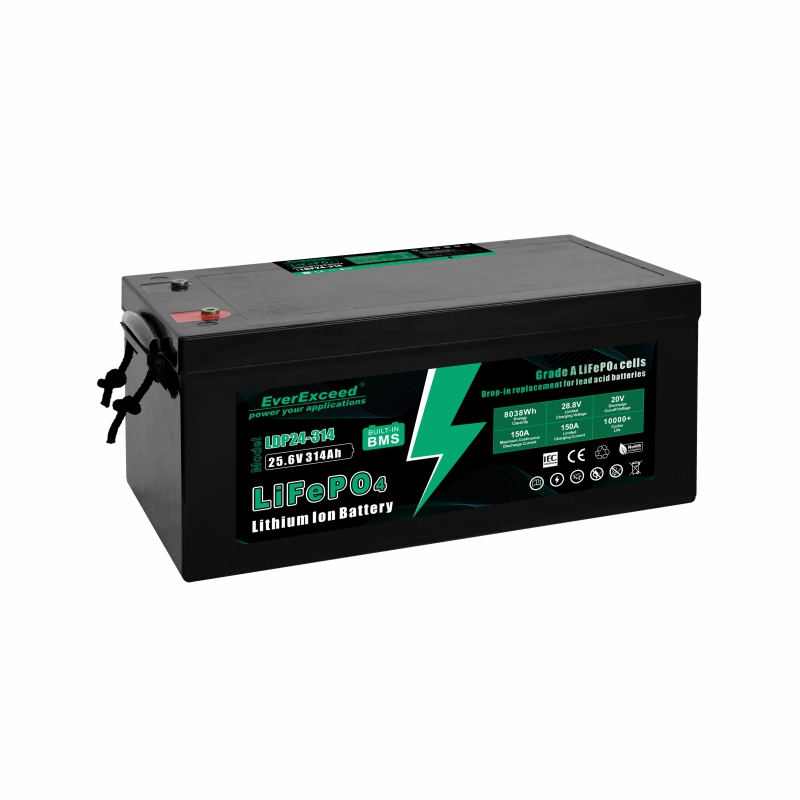
ما هي الفوائد الأساسية للتحول إلى بطاريات UPS المعتمدة على الليثيوم؟
السبب الأكثر شيوعًا المذكور هو عمر الخدمة الأطول بشكل كبير.
مضاءة
ح
ium
كما يوفر عمر دورة أطول (يتراوح عدد دورات الشحن/التفريغ من آلاف إلى آلاف، مقابل ما يقرب من 500-600 لبطاريات الليثيوم أيون).
في آر إل إيه
البطاريات
بالإضافة إلى ضمان أطول. كما أن خفة الوزن وصغر الحجم من المزايا الإضافية.
بالإضافة إلى ذلك، يمكن لمتخصصي تكنولوجيا المعلومات بسهولة استخدام بطاريات الليثيوم في أنظمة UPS دون عناء الصيانة والتحديث الذي تواجهه بطاريات الرصاص الحمضية. يتيح عمر البطارية الممتد الذي توفره بطاريات الليثيوم للمستخدمين مواءمة...
يو بي إس
دورات تحديث مع بقية مكونات تكنولوجيا المعلومات، مما يوفر الوقت والمال المُنفق على العمالة واستبدال البطاريات. علاوة على ذلك، تتميز بطاريات الليثيوم في أجهزة UPS بميزة "ضبطها ثم تركها"، وهو أمر مُناسب بشكل خاص في المواقع التي تحمي فيها أجهزة UPS عمليات الشبكة الحيوية، ولكن موارد تكنولوجيا المعلومات فيها محدودة.
ما هي بعض الجوانب السلبية للبطاريات الليثيوم مقارنة ببطاريات VRLA؟
العيب الرئيسي هو حداثة هذه التقنية، ما يجعل خبرة العديد من المصنّعين في تطبيقات أنظمة UPS محدودة. مع ذلك، يتغير هذا الوضع بسرعة، حيث تتقدم شركات بطاريات كبرى مثل EverExceed الآن لإنتاج بطاريات ليثيوم موثوقة.
هل تشكل بطاريات الليثيوم خطر حريق أعلى من بطاريات VRLA؟
في حين أن أي بطارية لديها القدرة على الاشتعال إذا تم إساءة استخدامها، فإن الليثيوم لديه سمعة سيئة فيما يتعلق بـ "الأحداث الحرارية" الأكثر دراماتيكية. ومع ذلك، في تطبيقات UPS، فإن وجود
نظام إدارة البطارية
نظام إدارة البطاريات (BMS) - الذي يتحكم في معدل الشحن والجهد ودرجة الحرارة - يجعل بطاريات الليثيوم أقل عرضة للانفلات الحراري مقارنةً ببطاريات UPS التقليدية. إضافةً إلى ذلك، فإن تصنيع بطاريات UPS المعتمدة على الليثيوم لا يفرض قيودًا على مساحة التعبئة والتغليف مقارنةً بتطبيقات أخرى، مثل وحدات بطاريات الهواتف المحمولة أو أجهزة الكمبيوتر المحمولة، والتي تتميز بمساحة محدودة بشكل ملحوظ. يمكن لمصنعي UPS استغلال المساحة الإضافية لضمان عدم حدوث تماس كهربائي في الصفائح داخل البطارية، حتى في الظروف القاسية. طالما صُممت البطارية وتغليفها لتبديد حرارة أكبر مما يمكن توليده عند الشحن الزائد، فلن تتعرض البطارية للانفلات الحراري. ويحرص جميع موردي UPS وموردي البطاريات على تطبيق هذا على منتجات الليثيوم.
علاوة على ذلك، توصي EverExceed عملاءها باستخدام بطاريات LFP بدلاً من بطاريات NCM في أنظمة UPS، لأن بطاريات LFP أكثر أمانًا من بطاريات NCM من حيث التفاعلات الكيميائية. تضمن بطاريات LFP عدم حدوث حريق أو انفجار.
هل بطاريات الليثيوم أكثر تكلفة؟
In general, they vary from slightly more expensive than good-quality VRLA, to two times more expensive, especially when shipping costs and commissioning services are considered. It is important to note that in the near future, when vendors start shipping battery cabinets pre-loaded with batteries, we expect the shipping costs for lithium batteries will actually be slightly less than that of VRLA batteries. Also you need to note that the TCO of lithium batteries are much more less than the VRLA batteries, and within a few year you will gain much more from your Lithium battery investment than the VRLA.
Are there different recharge rates between lithium and VRLA batteries?
Lithium batteries can be recharged significantly faster than traditional VRLA UPS batteries; however, keep in mind that the manufacturers limit the amount of battery charge current that the UPS can supply. During recharge, the
BMS
monitors not only voltage levels, but also the internal temperature of each individual lithium cell. In this manner, the system will automatically limit the charge if a cell gets too warm, which can potentially lengthen the recharge time. In general, the VRLA rule-of-thumb of “10x the discharge time to 90 percent capacity” may not apply to lithium.
What is the shelf life of lithium batteries before they need to be checked or charged?
If the battery modules are connected together, i.e. installed in a cabinet, the storage times are six months at 25 degrees C. This is due to parasitic losses from the BMS.
If the battery modules are NOT connected together (either power or communication connections), then the storage times are one year at 25 degrees C.
Note: It is recommended to do a "voltage check" of the batteries every 180 days during storage.
Can lithium be mixed with other types of batteries (for example, VRLA)?
No, lithium cannot be put in series or parallel with other types of batteries.
Is there any difference between sizing a lithium-ion battery compared to
VRLA
or
NiCd
technology?
Yes, the sizing is slightly different and in the case of lithium, we limit the backup time based not only on low cell voltage limits, but also the cell temperature during discharge. This means the cutoff time for a lithium battery might be dictated by high temperature, as opposed to only low voltage. As always, feel free to contact EverExceed for sizing guidance.
Do lithium batteries have recycling and/or disposal issues?
Lithium batteries are disposable and, while currently not readily recyclable, new options are expected in the future.
Can the UPS batteries be charged by the PV system, assuming the current is suitable? If not, what other back-up method would you suggest?
We recommend that the
PV system
(and its
inverter
) be fed to the UPS input so the UPS directly controls the battery recharging. In the future this may not be necessary, but in these early applications it is important to have control over the rate of charge for the UPS batteries.