
DC operating power systems are essential in substations, ensuring reliable operation of protection relays, breaker control circuits, automation devices, and emergency systems. However, traditional centralized DC panels present several limitations, especially in modern distribution substations.
1️⃣ Oversized Configuration & Resource Waste
With the replacement of electromagnetic mechanisms by spring-operated or permanent magnet mechanisms, DC load demand has significantly decreased. In many substations, the DC bus current is less than 2A. Traditional large-capacity DC panels therefore result in unnecessary investment and maintenance costs.
2️⃣ Reliability Risks from Series Battery Strings
Conventional systems use long battery strings to obtain 110V or 220V DC output. Due to unavoidable inconsistencies among batteries, the weakest cell determines the performance of the entire battery group (“barrel effect”), increasing failure risk.
3️⃣ Limited Battery Monitoring
Most systems only monitor battery terminal voltage and cannot accurately detect real capacity. Manual testing is labor-intensive and difficult to implement regularly.
4️⃣ Difficult Maintenance
Distribution substations are widely dispersed, making centralized DC system maintenance costly and inefficient.
A reliable DC operating power system should:
· Provide uninterrupted backup during AC power failure
· Support 24V / 48V / 110V / 220V single or dual outputs
· Deliver low continuous power but high instantaneous current for breaker operation
· Enable automatic battery activation and maintenance
· Minimize battery series connection
· Offer full protection, alarms, and remote communication
To address these challenges, a distributed micro DC power solution has been developed for distribution substations (≤35kV).
Instead of using one centralized DC panel, a compact DC power unit is installed inside each switchgear cabinet.
· Wide AC input range and strong grid adaptability
· DC boost technology for stable 110V/220V output
· Support for 24V, 48V, 110V, and 220V outputs
· High instantaneous discharge capability for breaker operation
· Overload, short-circuit, and over-discharge protection
· RS485 communication and alarm dry contacts
· Automatic battery activation and remote monitoring
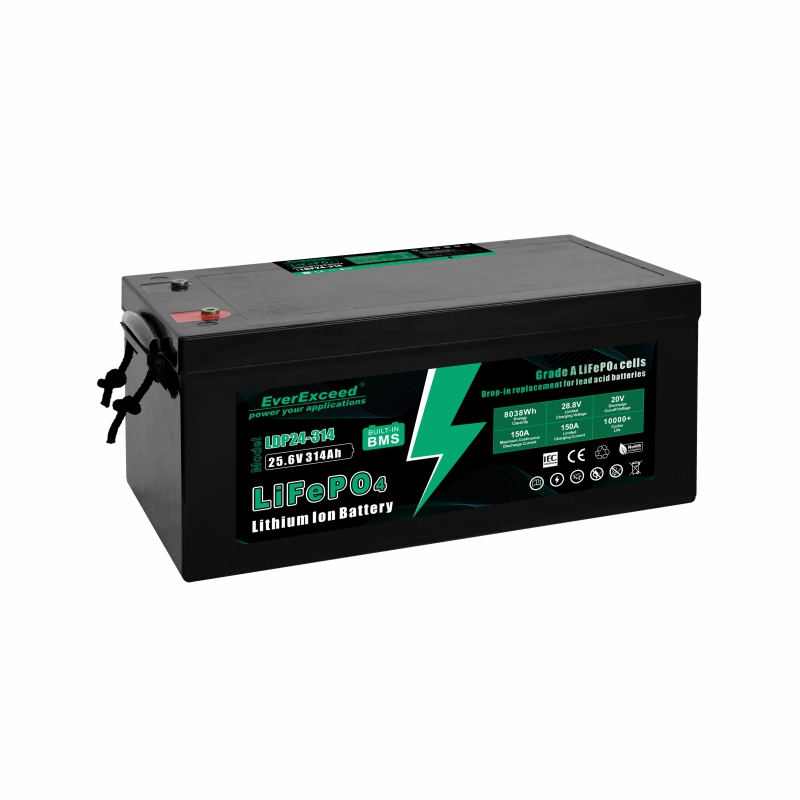
To reduce reliability risks, the system uses only 2 × 12V batteries or a 24V lithium battery pack, minimizing series connections and improving system stability.
Each high-voltage cabinet is equipped with an independent micro DC power unit that supplies:
· Energy storage motor
· Breaker opening and closing coils
· Secondary control circuits
· Cabinet-level redundancy (no single-point failure)
· Reduced battery string risk
· Lower maintenance workload
· Real-time monitoring and alarms
· Compact size and easy installation
Two configurations are available:
· Integrated type (HMP/UP5 series) with built-in battery
· Modular type (HDP series) with external battery for flexible backup time
The distributed DC power solution represents a modern upgrade for substation operating power systems.
By decentralizing the DC supply, reducing battery series connections, and integrating intelligent monitoring, it significantly improves reliability, lowers maintenance effort, and enhances operational safety—making it an ideal solution for 35kV and below distribution substations.
العلامات :
فئات
مؤخرًا دعامات



مسح ضوئي إلى WeChat:everexceed